
What Is an Opioid Treatment Program (OTP)?
An Opioid Treatment Program (OTP) is a federally regulated treatment program that provides medications and other services for people with opioid use disorder (OUD).
OTPs are especially important because, under current federal rules, methadone used for ongoing treatment of OUD generally must be dispensed through a SAMHSA-certified OTP. OTPs may also provide buprenorphine and naltrexone, along with counseling, medical assessment, toxicology testing, care coordination, peer services, and other treatment supports. Centers for Medicare & Medicaid Services
An OTP is more than simply a place where medication is handed out. Federal standards require certification, accreditation, clinical assessment, medication management, and access to a broader range of patient-centered services. SAMHSA
For background on the terminology, see MAT vs. MOUD.

Opioid Treatment Program: Quick Definition
OTPs must be certified by SAMHSA and accredited by an independent accrediting organization approved by SAMHSA. They also operate within federal controlled-substance requirements and applicable state rules. Centers for Medicare & Medicaid Services
The federal regulations governing OTPs are found in 42 CFR Part 8, which HHS substantially revised in 2024 to expand access and make care more patient-centered. SAMHSA
What Medications Do OTPs Provide?
OTPs can provide medications for opioid use disorder, often called MOUD.
Methadone, buprenorphine, and naltrexone are the core medication categories discussed below, but medication availability can differ by program.
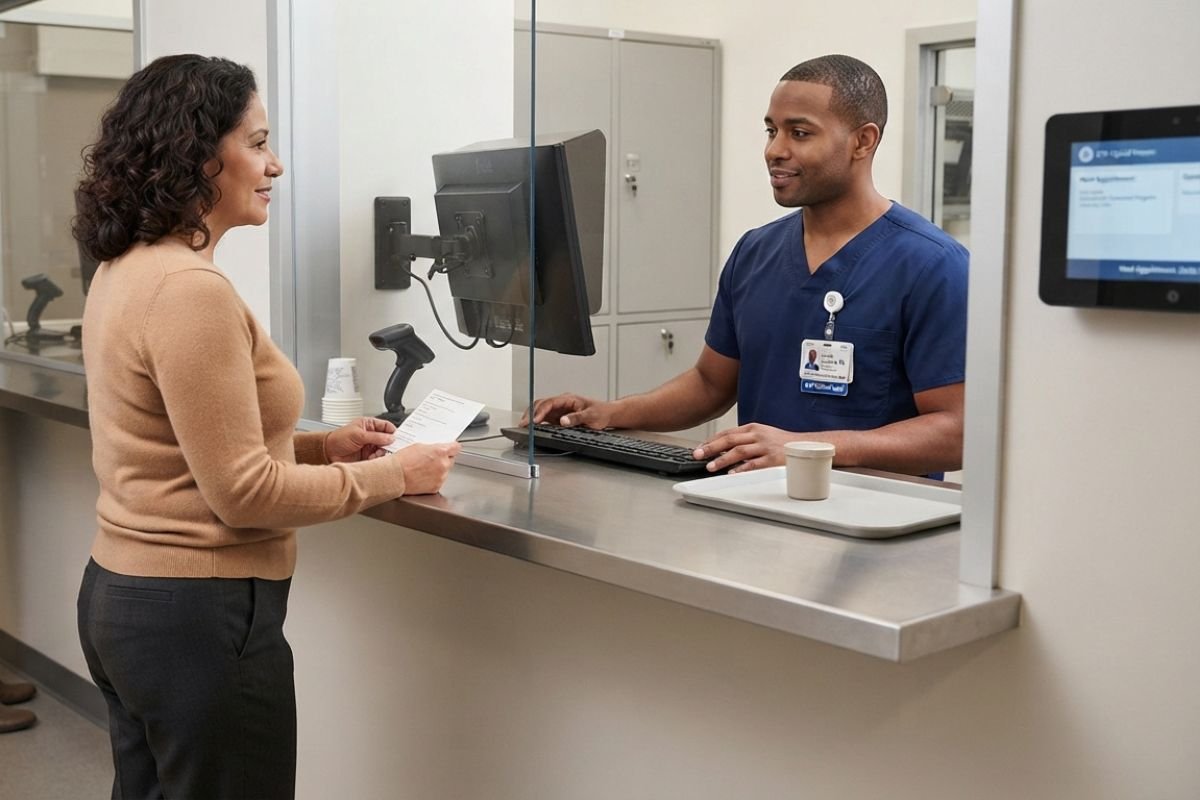
Methadone
Methadone is an FDA-approved medication for OUD that can reduce withdrawal symptoms and opioid cravings.
For ongoing OUD treatment, federal rules generally require methadone to be dispensed through a certified OTP rather than prescribed like an ordinary outpatient pharmacy prescription. SAMHSA
Learn more about methadone treatment for opioid use disorder.
Buprenorphine
Buprenorphine is another FDA-approved OUD medication. OTPs can provide it, but buprenorphine can also be prescribed in other healthcare settings by appropriately authorized clinicians. Centers for Medicare & Medicaid Services
See our buprenorphine treatment guide.
Naltrexone
Naltrexone is an opioid antagonist used for OUD treatment. OTPs may provide it, although it is also available outside the OTP system. Centers for Medicare & Medicaid Services
Is an OTP the Same as a Methadone Clinic?
Not exactly.
“Methadone Clinic”
The phrase is commonly used because OTPs are the main settings authorized to dispense methadone for ongoing OUD treatment.
Opioid Treatment Program
An OTP can provide much more than methadone, including other MOUD, counseling, medical and behavioral-health assessments, toxicology testing, referrals, peer support, and care coordination. Medicare's OTP benefit, for example, covers this broader range of services rather than medication alone. Centers for Medicare & Medicaid Services
How Is an OTP Different From a Regular MAT Clinic?
“MAT clinic” is a broad consumer term. It is not the same type of federal designation as Opioid Treatment Program.
Opioid Treatment Program
An OTP is specifically certified and accredited under the federal OTP system and can dispense methadone for ongoing treatment of OUD. SAMHSA
Office-Based or Other OUD Provider
Primary-care clinicians, addiction clinicians, behavioral-health practices, and other providers may prescribe medications such as buprenorphine or naltrexone without operating as an OTP.
CMS specifically distinguishes office-based OUD treatment using buprenorphine or naltrexone from the more comprehensive OTP benefit. Centers for Medicare & Medicaid Services
That distinction matters when searching for treatment.
Someone specifically seeking methadone for OUD generally needs an OTP. Someone seeking buprenorphine may have additional treatment-setting options.
For a deeper comparison, see what a MAT clinic is.
What Services Does an OTP Provide?
Depending on the individual program and patient needs, OTP services can include medication treatment, assessment, counseling, testing, care coordination, and recovery support.
An OTP should be understood as a treatment program with services beyond medication alone.

Medication Treatment
Methadone, buprenorphine, naltrexone, and medication monitoring when appropriate.
Assessment
Initial screening followed by physical, behavioral-health, and psychosocial assessment.
Current federal guidance requires a physical and behavioral-health assessment, including safety screening, within 14 calendar days after admission, along with development of a patient-centered care plan. SAMHSA Store
Counseling and Therapy
OTPs must make appropriate counseling and other supportive services available. However, under the revised rules, refusing counseling should not by itself result in withholding a medication dose. SAMHSA Library
Toxicology Testing
Testing may be used as part of clinical monitoring and treatment planning.
Care Coordination
Programs may coordinate referrals for medical, psychiatric, social, infectious-disease, or other healthcare needs.
Peer and Recovery Support
Some OTPs provide peer-recovery, navigation, and other support services. These are also included within Medicare's current OTP benefit when applicable. Centers for Medicare & Medicaid Services
What Happens When Someone Starts Treatment at an OTP?
A person typically begins by contacting an OTP and completing an intake or screening process.
The program then reviews OUD treatment needs, safety, current substance use, medications, health history, and the services needed for an individualized care plan.
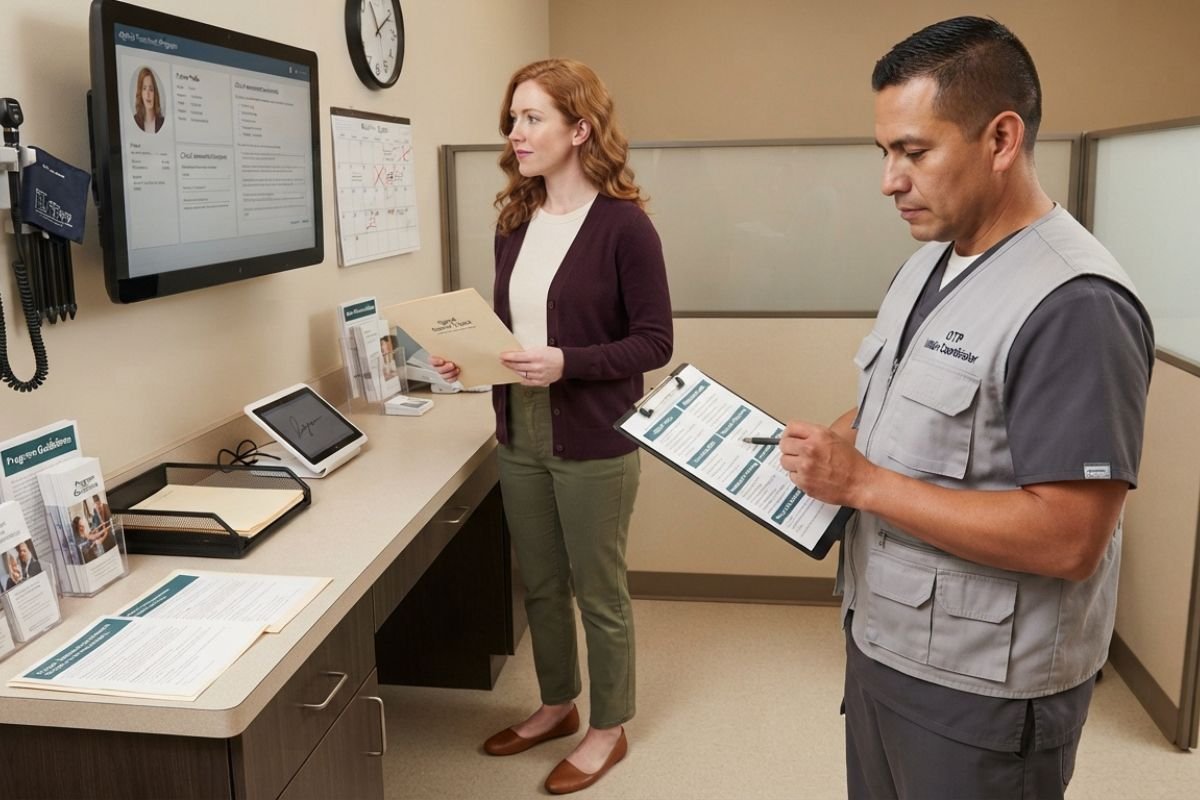
The program evaluates whether opioid use meets criteria for OUD, reviews current substance use, medications, withdrawal symptoms, physical and mental health, overdose history, and other clinical needs.
Under the revised federal rules, the old requirement that someone demonstrate one full year of opioid dependence before admission was removed. The regulations now focus more directly on whether the person has OUD and can benefit from treatment. SAMHSA
A more complete physical and behavioral-health assessment follows, and the care plan should reflect the patient's goals and needs. SAMHSA Store
For a practical walkthrough, readers can continue to what to expect at a first MAT clinic appointment.
Do OTP Patients Have to Visit Every Day?
Not necessarily.
Some people may visit frequently when starting methadone because clinicians need to monitor response and make medication adjustments safely.
But current federal rules allow much more individualized decisions about take-home methadone doses than older OTP rules did.
SAMHSA's revised 42 CFR Part 8 removed rigid time-in-treatment requirements that previously controlled take-home eligibility. A treating practitioner can now consider take-home medication earlier, including potentially from the beginning of treatment, when clinically appropriate and safe. SAMHSA
This does not mean every patient automatically receives take-home methadone.
The treating practitioner considers safety, medication handling, individual circumstances, and applicable state requirements.
Readers can later continue to our methadone take-home dose guide.
Can OTP Treatment Start Through Telehealth?
In certain circumstances, yes.
The revised federal OTP rules allow more flexibility for initial screening examinations.
SAMHSA states that screening for buprenorphine initiation can occur through audio-video or audio-only telehealth when applicable requirements are met. Screening for methadone initiation may be completed through audio-video telehealth under certain conditions. SAMHSA
Telehealth does not mean every OTP operates virtually or that all aspects of methadone treatment can occur remotely.
State law, clinical circumstances, program capabilities, medication requirements, and federal rules can all affect how telehealth is used.
Readers can explore telehealth MAT treatment for more information.
What Are Mobile Opioid Treatment Units?
Some OTPs operate mobile medication units.
These are extensions of certified OTPs designed to bring medication and treatment services closer to people who may face geographic, transportation, or other access barriers.
Under current rules, mobile units can provide medication, medical services, behavioral-health services, and other OTP activities when applicable space, privacy, certification, and regulatory requirements are met. SAMHSA
Mobile treatment does not operate independently of an OTP—the unit functions as an extension of the certified program.
How Are OTPs Regulated?
OTPs operate within a more specific regulatory framework than an ordinary outpatient medical practice.
SAMHSA oversees OTP certification under 42 CFR Part 8, and programs must obtain accreditation through a SAMHSA-approved accrediting organization. Federal controlled-substance requirements and state authorities also play important roles. SAMHSA
The current 42 CFR Part 8 rules were substantially revised in 2024, with compliance beginning in October 2024. The changes emphasized patient-centered care, practitioner judgment, expanded access, harm reduction, and fewer unnecessary barriers to medication treatment. SAMHSA
State requirements can still differ, so not every OTP will operate identically.
How Many Opioid Treatment Programs Are There?
The directory changes as programs receive certification, provisional status, close, or update their records, so the count should be treated as a current-directory figure rather than a permanent statistic. SAMHSA
This is one reason location can significantly affect treatment access.
MATClinicGuide.com should direct users from this educational page into the Opioid Treatment Program directory to find programs by state or location.
Does Medicare Cover Opioid Treatment Programs?
Medicare Part B covers qualifying OUD treatment provided through Medicare-enrolled OTPs.
CMS currently includes FDA-approved OUD medications, medication dispensing or administration, substance-use counseling, individual and group therapy, toxicology testing, intake and periodic assessments, intensive outpatient services, coordinated care, patient navigation, and peer-recovery support within the OTP benefit. Centers for Medicare & Medicaid Services
CMS states that there is no copayment for Medicare OTP services, although the Part B deductible applies. Centers for Medicare & Medicaid Services
Medicare Advantage plans are also required to include the OTP benefit, subject to applicable network and plan arrangements. Centers for Medicare & Medicaid Services
Readers can continue to Medicare coverage for MAT for a dedicated coverage guide.
How to Find a Certified OTP
When searching for methadone or comprehensive opioid treatment, confirm that the facility is actually an Opioid Treatment Program rather than assuming every addiction clinic has OTP certification.
SAMHSA maintains an official OTP directory, and FindTreatment.gov allows users to filter specifically for federally certified Opioid Treatment Programs, methadone services, buprenorphine, naltrexone, Medicaid, telehealth, and other characteristics. SAMHSA
Start with the MAT clinic directory or browse Opioid Treatment Programs near you.
Before You Visit, Confirm:
Frequently Asked Questions About Opioid Treatment Programs
What does OTP stand for?
OTP stands for Opioid Treatment Program, a federally regulated treatment program providing medication and related care for opioid use disorder.
Is an OTP the same as a methadone clinic?
The terms are often used interchangeably, but OTP is more accurate. OTPs may provide methadone as well as buprenorphine, naltrexone, counseling, assessments, and other services. Centers for Medicare & Medicaid Services
Can any addiction clinic give methadone for OUD?
No. Ongoing methadone treatment for OUD generally must be provided through a certified OTP under current federal law. SAMHSA
Does an OTP only provide methadone?
No. OTPs may provide methadone, buprenorphine, naltrexone, behavioral-health services, testing, assessment, care coordination, and other supports. Centers for Medicare & Medicaid Services
Can I get buprenorphine without attending an OTP?
Yes. Buprenorphine can also be prescribed through appropriately authorized office-based and other healthcare providers. Centers for Medicare & Medicaid Services
Is counseling mandatory to receive medication at an OTP?
OTPs must make counseling and other appropriate services available, but current federal guidance states that medication access should not be denied simply because a patient declines counseling. SAMHSA Library
Do OTP patients have to go every day?
Not necessarily. Visit frequency depends on the medication, stage of treatment, clinical needs, take-home eligibility, program operations, and state requirements. Revised federal rules allow more individualized take-home decisions. SAMHSA
Can an OTP use telehealth?
Yes, certain screening and treatment activities can use telehealth under current federal rules, although specific requirements differ for methadone and buprenorphine and state rules may also apply. SAMHSA
Are OTPs regulated by the federal government?
Yes. OTPs operate under SAMHSA certification requirements, accreditation standards, federal controlled-substance rules, and applicable state oversight. SAMHSA
Find an Opioid Treatment Program
An OTP can provide structured medication treatment and other services for opioid use disorder, but individual programs differ in medications, hours, insurance participation, telehealth, take-home policies, and additional services.
MAT Clinic Guide can help users understand those differences and explore treatment programs by location.
Important Safety Information
This page provides general educational information about Opioid Treatment Programs and opioid use disorder treatment. It is not medical advice or an individualized recommendation for methadone, buprenorphine, naltrexone, or another treatment.
Medication choice and treatment setting depend on individual medical history, opioid use, other substances, withdrawal risk, medications, treatment goals, and clinical assessment.