
Buprenorphine & Suboxone Treatment for Opioid Use Disorder
Buprenorphine is an evidence-based medication used to treat opioid use disorder, or OUD.
It can reduce opioid withdrawal and cravings and help people stay engaged in treatment.
Suboxone is a well-known medication that combines buprenorphine and naloxone, but Suboxone is only one form of buprenorphine treatment.
Other options include generic buprenorphine/naloxone, buprenorphine-only tablets, Sublocade, and Brixadi.
Buprenorphine treatment may be available through primary care, addiction medicine, behavioral-health clinics, opioid treatment programs, and—in appropriate circumstances—telehealth. The old federal X-waiver requirement is no longer in effect.
MAT Clinic Guide provides educational information and treatment-navigation support. We are not a medical provider and do not diagnose, prescribe, or provide buprenorphine.

What Is Buprenorphine Treatment?
Buprenorphine is a partial opioid agonist used to treat opioid use disorder.
It acts on opioid receptors strongly enough to reduce withdrawal and cravings, but differently from full opioid agonists such as fentanyl, heroin, or methadone.
FDA currently lists several buprenorphine products approved for OUD, including buprenorphine/naloxone products, buprenorphine-only tablets, Sublocade, and Brixadi.
What Is Buprenorphine?
Buprenorphine is one of the main FDA-approved medications used to treat opioid use disorder.
It is called a partial opioid agonist.
That means it attaches to the same opioid receptors involved with drugs such as fentanyl, heroin, oxycodone, and methadone, but it does not activate those receptors in exactly the same way as a full opioid agonist.
Buprenorphine can help reduce withdrawal, reduce cravings, reduce continued opioid use, and support ongoing treatment.
FDA currently recognizes buprenorphine, methadone, and naltrexone as the major medication categories used to treat OUD.


What Is Suboxone?
Suboxone is a medication containing:
Buprenorphine
The medication that provides the primary treatment effect for opioid withdrawal and cravings.
Naloxone
An opioid antagonist included mainly to reduce certain forms of misuse.
Suboxone is available as a film placed under the tongue or inside the cheek. Other generic buprenorphine/naloxone films and tablets are also available.
Buprenorphine vs. Suboxone
They are related, but they are not identical terms.
Other buprenorphine options include generic buprenorphine/naloxone, buprenorphine-only tablets, Sublocade, and Brixadi.
How Does Buprenorphine Work for Opioid Use Disorder?
Buprenorphine binds strongly to opioid receptors. This strong binding can help provide stable receptor activity and reduce the cycle of opioid withdrawal and cravings.
Withdrawal ↓
Can reduce opioid-withdrawal symptoms when treatment is started and managed appropriately.
Cravings ↓
Better craving control can make it easier to focus on health, family, work, housing, mental health, and recovery goals.
Treatment Stability ↑
Stable receptor activity can support continued engagement with OUD treatment.
Can Reduce the Effects of Other Opioids
Because buprenorphine binds strongly to opioid receptors, other opioids may have less effect while it is present.
What Is the “Ceiling Effect”?
Buprenorphine has a ceiling effect for some opioid effects, including respiratory depression.
This is one reason it generally has a lower risk of severe respiratory depression than full opioid agonists, although the risk is not zero.
Buprenorphine can still cause dangerous breathing problems, particularly when combined with alcohol, benzodiazepines, other sedatives, or other opioids.
What Forms of Buprenorphine Are Used for OUD?
Buprenorphine treatment is not limited to one medication or one delivery method. FDA currently lists multiple buprenorphine products for OUD.
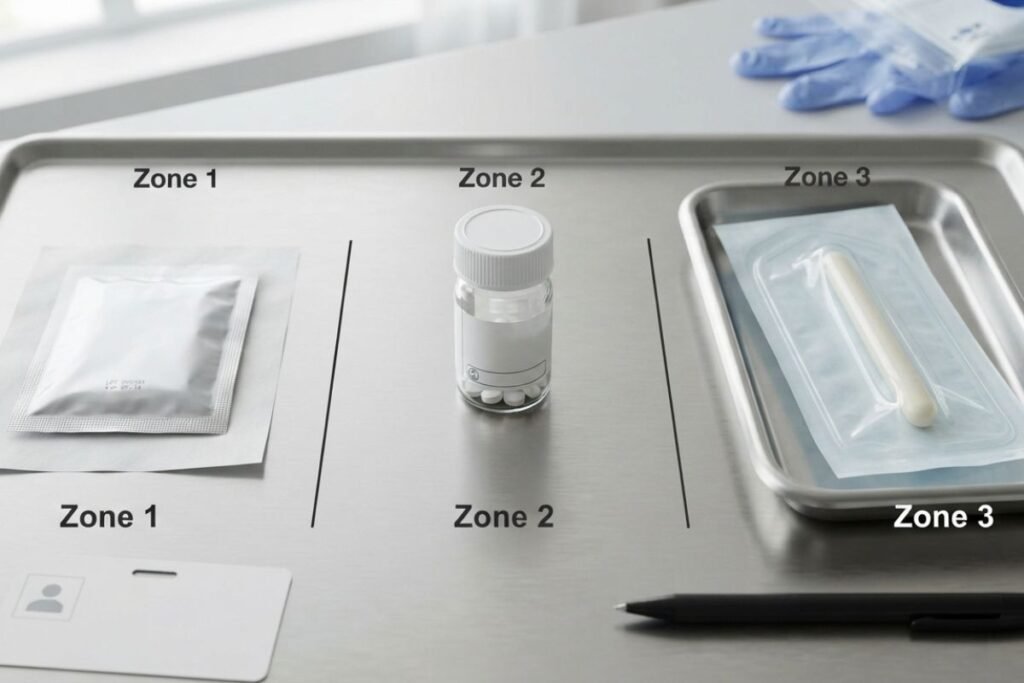
Suboxone
Buprenorphine + naloxone film.
Generic Buprenorphine/Naloxone
Available in generic forms, including films and tablets.
Zubsolv
A buprenorphine/naloxone sublingual tablet.
Buprenorphine-Only Tablets
Buprenorphine without naloxone. A clinician determines when this option is appropriate.
Sublocade
Extended-release buprenorphine given by a healthcare professional. Current labeling allows clinically managed initiation or transition from existing buprenorphine treatment.
Brixadi
Extended-release buprenorphine available in weekly and monthly formulations for eligible patients.
Can Buprenorphine Treat OUD Involving Fentanyl?
Yes.
Buprenorphine can be used to treat opioid use disorder involving fentanyl, heroin, prescription opioids, or other opioids.
Fentanyl can make treatment initiation more complex for some people because exposure patterns, physical dependence, and withdrawal can vary.

How Do You Start Buprenorphine or Suboxone Treatment?
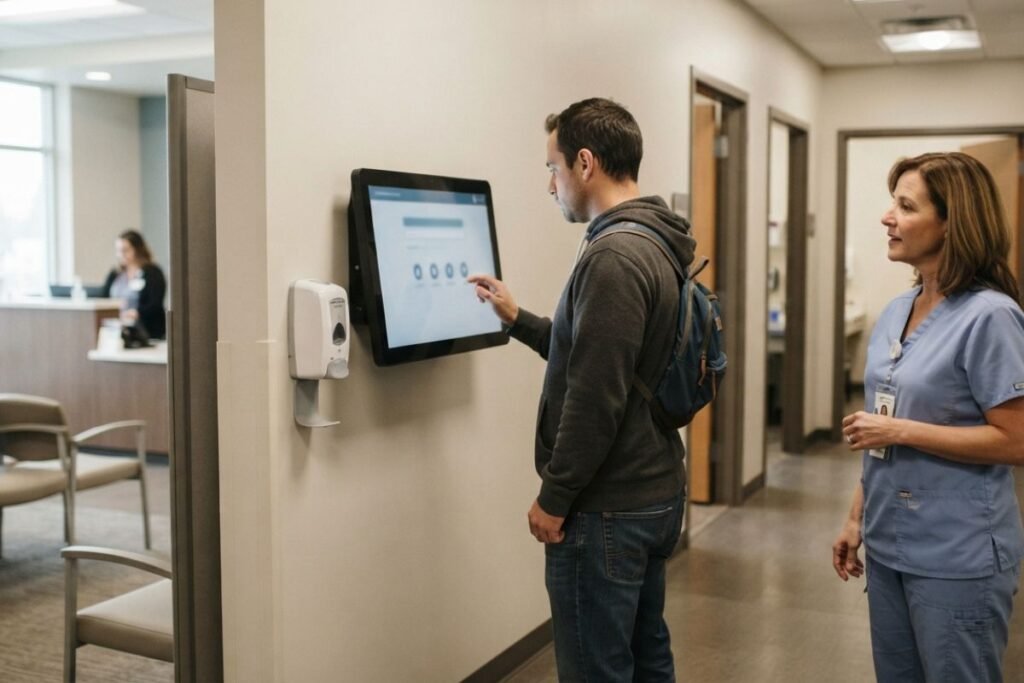
Buprenorphine may be available through primary care, addiction medicine, behavioral health, telehealth, OTPs, and other qualified healthcare settings.
Find a Provider
Explore a qualified provider or treatment setting that offers buprenorphine for OUD.
Complete an Assessment
The provider may ask about opioid exposure, withdrawal, overdose history, other substances, medications, physical and mental health, pregnancy when relevant, and prior treatment.
Plan the Start
The provider may consider the opioid involved, recent exposure, withdrawal signs, fentanyl exposure, previous buprenorphine treatment, and other health factors.
Begin With Medical Guidance
A clinician explains how treatment should begin and may monitor withdrawal, cravings, side effects, and response.
Continue Follow-Up
Follow-up helps determine whether the medication and overall care plan are working.
What Is Precipitated Withdrawal?
Precipitated withdrawal is a sudden worsening of opioid withdrawal that can occur when buprenorphine is started while enough full opioid activity remains.
Buprenorphine binds very strongly to opioid receptors. If it displaces a full opioid but produces less receptor activation, opioid effects can fall quickly and withdrawal symptoms can intensify.
Possible symptoms may include nausea, vomiting, diarrhea, sweating, restlessness, anxiety, body aches, and severe discomfort.
Why Fentanyl Can Make This More Difficult to Predict
People exposed to fentanyl can have very different patterns of use, levels of physical dependence, withdrawal experiences, and treatment histories.

Can You Start Buprenorphine Through Telehealth?
For some patients, yes.
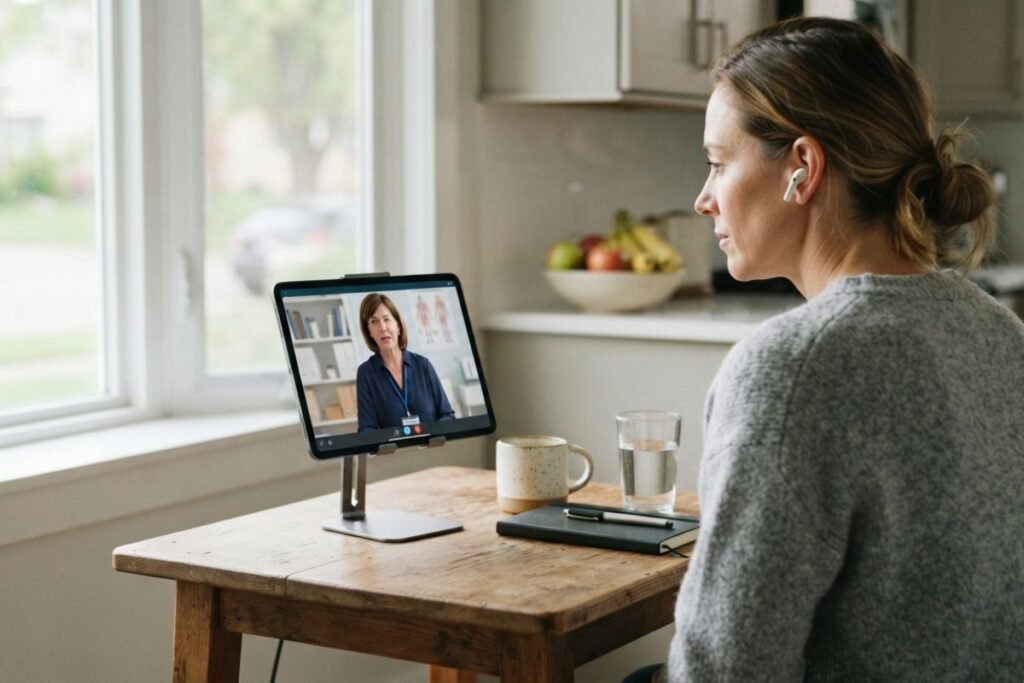
As of September 2026, federal telemedicine rules provide multiple pathways that may allow qualifying clinicians to prescribe buprenorphine remotely when federal and state requirements are met.
The broad temporary federal telemedicine flexibilities remain extended through December 31, 2026. A separate buprenorphine-specific federal rule also provides a pathway for audio-only or audio-video initiation.
Telehealth May Include
- OUD assessment
- Medical evaluation
- Prescription when clinically appropriate
- Follow-up appointments
- Treatment monitoring
- Counseling/support where offered
Do You Still Need an X-Waivered Suboxone Doctor?
No. The federal DATA/X-waiver requirement was removed in December 2022.
Where state law permits, practitioners with appropriate state authority and DEA registration to prescribe Schedule III controlled substances may prescribe buprenorphine for OUD. SAMHSA also discontinued its old individual buprenorphine-practitioner search in June 2026; facilities providing buprenorphine remain searchable through FindTreatment.gov.
Primary Care
Some primary-care clinicians provide buprenorphine treatment.
Addiction / Behavioral Health
Addiction medicine, psychiatry, behavioral-health clinics, and OTPs may offer treatment.
Telehealth
Qualified practitioners may provide eligible buprenorphine treatment remotely when applicable rules are satisfied.
What Happens After Buprenorphine Treatment Begins?
OUD treatment should continue beyond the first prescription.
Follow-up may review withdrawal, cravings, continued opioid use, side effects, mental health, other substance use, medication response, and recovery goals.
Medication Management
The provider may adjust the treatment plan when needs change. Patients should not change medication on their own.
Drug Testing
Some programs use toxicology testing as part of care. Results should help inform treatment rather than automatically be treated as punishment.
Counseling & Recovery Services
Some people benefit from therapy, mental healthcare, peer recovery support, case management, family services, housing assistance, or employment support.

How Long Can Someone Stay on Buprenorphine or Suboxone?
There is no universal treatment limit.
Some people receive buprenorphine for months, years, or longer.
Long-term treatment is not evidence that someone has failed recovery. The goal is to continue treatment while it remains beneficial and medically appropriate.
If Someone Wants to Stop
Talk with the prescribing clinician. Suddenly discontinuing buprenorphine can cause withdrawal and increase risk of returning to opioid use.
Buprenorphine Maintenance vs. Opioid Detox
Buprenorphine Maintenance
Ongoing treatment intended to reduce withdrawal, reduce cravings, support treatment retention, and improve stability.
Opioid Detox
Short-term withdrawal management. Detox can address withdrawal but does not treat every part of opioid use disorder.
Potential Benefits of Buprenorphine Treatment
Withdrawal Relief
Can reduce opioid withdrawal.
Craving Control
Can reduce opioid cravings.
Treatment Retention
Can support continued engagement with OUD treatment.
Flexible Access
Can be delivered in more clinical settings than methadone for OUD.
Multiple Formulations
Patients may have daily or long-acting options depending on clinical needs.
Buprenorphine and Suboxone Side Effects & Safety
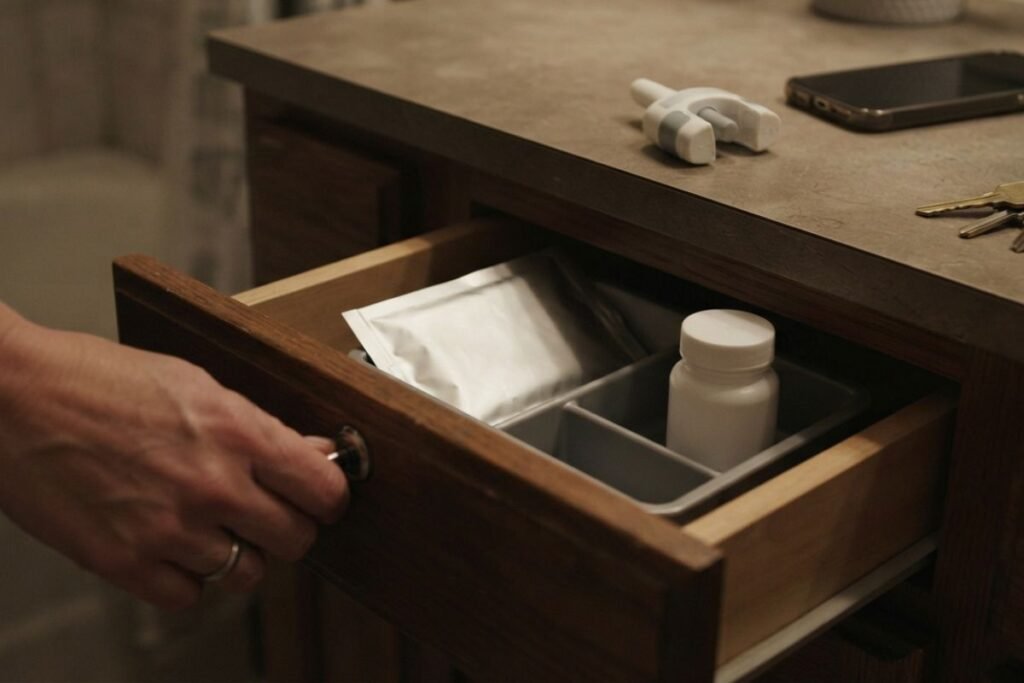
Buprenorphine can be safe and effective when appropriately prescribed.
But it is still an opioid medication and has real risks.
Possible Side Effects
Can include headache, nausea, constipation, sweating, sleep problems, dizziness, and stomach discomfort.
Serious Breathing Problems
Seek emergency help for very slow or difficult breathing, extreme sleepiness, inability to wake, loss of consciousness, or suspected overdose.
Alcohol & Benzodiazepines
Combining buprenorphine with alcohol, benzodiazepines, or other CNS depressants can increase respiratory-depression and overdose risk.
FDA advises that buprenorphine or methadone generally should not automatically be withheld solely because someone takes benzodiazepines or another CNS depressant; careful clinical management is needed.
Other Opioids
Buprenorphine does not make fentanyl or heroin safe. Never try to “break through” buprenorphine with additional opioids.
Why Does Dental Care Matter With Some Buprenorphine Products?
FDA has warned about dental problems associated with buprenorphine products that dissolve in the mouth.
Reported problems include cavities, tooth decay, oral infections, tooth damage, and tooth loss.
The warning applies to transmucosal products that dissolve under the tongue or inside the cheek—not injectable buprenorphine products.
FDA continues to state that the benefits of buprenorphine for OUD outweigh these dental risks.

Keep Naloxone Available
Current Suboxone labeling recommends strongly considering prescribing or recommending an opioid-overdose reversal agent because people being treated for OUD may remain at risk of relapse and overdose.
People receiving buprenorphine and those close to them should know where naloxone is stored, how to recognize an overdose, how to use naloxone, and when to call 911.
Suspected opioid overdose → Give naloxone if available + Call 911.

Can Buprenorphine Be Used During Pregnancy?
Yes.
CDC identifies buprenorphine and methadone as recommended treatment options for pregnant patients with opioid use disorder.
Treatment decisions should involve clinicians familiar with pregnancy, OUD, medications, delivery, newborn care, and postpartum treatment.
Buprenorphine vs. Buprenorphine/Naloxone During Pregnancy
Different buprenorphine products may be used in clinical practice. Patients should not switch from Suboxone or another product simply because they become pregnant without speaking with the prescribing team.
Continuing Care
Pregnancy-related treatment may involve prenatal care, MOUD, mental-health support, delivery planning, newborn monitoring, postpartum care, and ongoing recovery support.
Neonatal Opioid Withdrawal
A newborn exposed to opioids, including prescribed MOUD, may experience neonatal opioid withdrawal syndrome. This is a known and treatable condition.
Suboxone vs. Methadone: What's the Difference?
| Feature | Buprenorphine / Suboxone | Methadone |
|---|---|---|
| Medication type | Partial opioid agonist | Full opioid agonist |
| Treats OUD | Yes | Yes |
| Reduces withdrawal | Yes | Yes |
| Reduces cravings | Yes | Yes |
| Main access | Office-based care, telehealth where permitted, OTPs and other settings | Certified OTP |
| Pharmacy prescription | Often possible | Not a routine retail prescription for OUD |
| Telehealth access | Broader | More OTP-specific |
| Long-term treatment | Yes | Yes |
| Respiratory depression profile | Lower than full agonists, but risk remains | Full-agonist risk requires careful monitoring |
Which Is Better?
Neither is universally better. Treatment selection can depend on current opioid exposure, physical dependence, past treatment, health conditions, pregnancy, medication access, preferences, and treatment availability.
Daily Medication vs. Long-Acting Buprenorphine
Daily Buprenorphine / Suboxone
Typically taken at home according to the prescription. May suit people who prefer daily control, pharmacy-based access, or easier medication adjustments.
Sublocade
Provider-administered extended-release buprenorphine, generally given monthly.
Brixadi
Provider-administered extended-release buprenorphine available in weekly and monthly formulations.
Why Consider a Long-Acting Option?
Possible considerations include difficulty remembering daily medication, safe-storage concerns, privacy, treatment routine, or personal preference.


How Much Does Buprenorphine or Suboxone Treatment Cost?
There is no single national price.
Cost can depend on brand vs. generic medication, pharmacy, provider fees, telehealth vs. in-person care, follow-up appointments, insurance, deductible, copay, and whether the treatment is daily medication or a long-acting injection.
Medicaid
Medicaid may cover buprenorphine and OUD treatment. Specific medications, providers, prior-authorization rules, and patient costs vary by state and program.
Medicare
Medicare can cover office-based OUD treatment involving buprenorphine, while Part D plans may cover prescribed buprenorphine medications. Part B also covers eligible OTP services.
Private Insurance
Coverage depends on network, pharmacy formulary, product selection, prior authorization, deductible, copay, and coinsurance.
Insurance verification does not guarantee medication coverage, prior authorization, provider participation, or final patient cost.
Find Buprenorphine or Suboxone Treatment
Buprenorphine treatment may be available through different types of healthcare settings.
Search based on location, telehealth availability, insurance, medication options, appointment availability, and treatment needs.
The old federal individual X-waivered practitioner search is no longer the appropriate directory model. Facilities providing buprenorphine remain searchable through current treatment-finder systems.

Questions to Ask Before Choosing Buprenorphine Treatment
Availability
Are you accepting new OUD patients?
Fentanyl Experience
Do you routinely treat patients whose OUD involves fentanyl?
Treatment Initiation
How do you determine when and how treatment should begin?
Telehealth
Which appointments can be completed remotely?
Medication Choices
Do you offer only daily buprenorphine, or also Sublocade/Brixadi?
Mental Health
Can you coordinate psychiatric or behavioral-health services when needed?
Insurance
Do you accept my plan?
Cost
What will I likely pay for appointments and medication?
Naloxone
Do you provide or prescribe overdose-reversal medication?
Explore Buprenorphine & Suboxone Treatment Options
You do not need to decide between daily medication, telehealth, in-person care, Sublocade, Brixadi, or another treatment approach before asking about options.
Explore care based on your needs, location, insurance, and treatment preferences.
MAT Clinic Guide is an educational and treatment-navigation service. We are not a treatment provider. Information submitted through treatment-navigation forms may be shared with participating providers or service partners according to the site's Privacy Policy and consent terms. Treatment availability, medication eligibility, and insurance coverage are not guaranteed.
Frequently Asked Questions About Buprenorphine & Suboxone
Is Suboxone the same as buprenorphine?
No. Buprenorphine is the active treatment medication. Suboxone is a product containing buprenorphine plus naloxone.
Why is naloxone included in Suboxone?
Naloxone is included mainly to discourage certain forms of misuse. When the medication is used as prescribed, buprenorphine provides the primary OUD-treatment effect.
Is buprenorphine an opioid?
Yes. It is a partial opioid agonist. It acts differently from full opioid agonists such as fentanyl, heroin, or methadone.
Can Suboxone cause physical dependence?
Yes. Physical dependence can develop during ongoing buprenorphine treatment. Physical dependence is not the same thing as uncontrolled substance use disorder. Do not stop the medication suddenly without medical guidance.
Does Suboxone help withdrawal?
Buprenorphine can reduce opioid-withdrawal symptoms when treatment is initiated appropriately.
Does Suboxone reduce cravings?
Yes. Reducing opioid cravings is one of the main goals of buprenorphine treatment.
Can Suboxone treat OUD involving fentanyl?
Yes. Buprenorphine can treat OUD involving fentanyl, but treatment initiation may require careful clinical planning.
What is precipitated withdrawal?
It is a sudden worsening of opioid withdrawal that can occur when buprenorphine is started while sufficient full-opioid activity remains.
How long should I wait after fentanyl before starting Suboxone?
There is no universal waiting period that is appropriate for every person. The provider should consider opioid exposure, withdrawal, medical history, previous treatment, and other clinical factors. This site does not publish an online countdown.
Can I get Suboxone online?
For some patients, yes. As of September 2026, qualifying federal telemedicine pathways allow certain buprenorphine prescribing without a prior in-person examination, subject to the applicable federal authority and state law. Current temporary federal flexibilities run through December 31, 2026.
Do I need an X-waivered doctor?
No. The federal X-waiver requirement was removed in 2022.
How long can someone stay on Suboxone?
There is no one universal maximum. Treatment can continue long term when it remains clinically appropriate.
Can buprenorphine be taken during pregnancy?
Buprenorphine is a recommended medication option for OUD during pregnancy.
What are Sublocade and Brixadi?
They are long-acting injectable buprenorphine products administered by healthcare professionals. Sublocade is monthly; Brixadi has weekly and monthly formulations.
Does buprenorphine cause dental problems?
FDA has reported dental problems with buprenorphine products that dissolve in the mouth. The warning does not mean patients should stop treatment; FDA states that the benefits for OUD outweigh the dental risks.
Does Medicare cover buprenorphine?
Medicare may cover OUD treatment involving buprenorphine. Part D plans may cover prescribed buprenorphine, and Part B covers eligible office-based or OTP services depending on the setting.
Does Medicaid cover Suboxone?
Medicaid may cover buprenorphine treatment, but medication rules, participating providers, prior authorization, and patient costs vary by state and plan.
Is Suboxone better than methadone?
Neither is universally better. Treatment selection depends on clinical needs, access, preferences, health, opioid exposure, pregnancy, and other circumstances.
Where can I find a Suboxone provider near me?
Look for healthcare facilities providing buprenorphine treatment for OUD. Options may include primary care, addiction medicine, behavioral health, OTPs, and eligible telehealth providers.