
Naltrexone & Vivitrol Treatment for Opioid Use Disorder
Naltrexone is a medication used to treat opioid use disorder, or OUD.
Unlike methadone and buprenorphine, naltrexone is not an opioid. It is an opioid antagonist, meaning it blocks opioid receptors instead of activating them.
Vivitrol is a well-known extended-release injectable form of naltrexone that is administered by a healthcare professional about once every four weeks.
For opioid use disorder, the important difference is that a person must complete opioid withdrawal and be opioid-free before starting extended-release naltrexone. It does not treat active opioid withdrawal.
MAT Clinic Guide helps you understand how naltrexone works, why withdrawal comes first, what happens before the first injection, monthly treatment, overdose risks, insurance, and how to find treatment.
MAT Clinic Guide is an educational and treatment-navigation resource. We are not a medical provider and do not diagnose, prescribe, administer, or provide naltrexone treatment.

What Is Vivitrol Treatment?
Vivitrol is a long-acting injection containing naltrexone, an opioid antagonist used as a medication option for opioid use disorder after opioid detoxification.
It blocks opioid receptors rather than activating them.
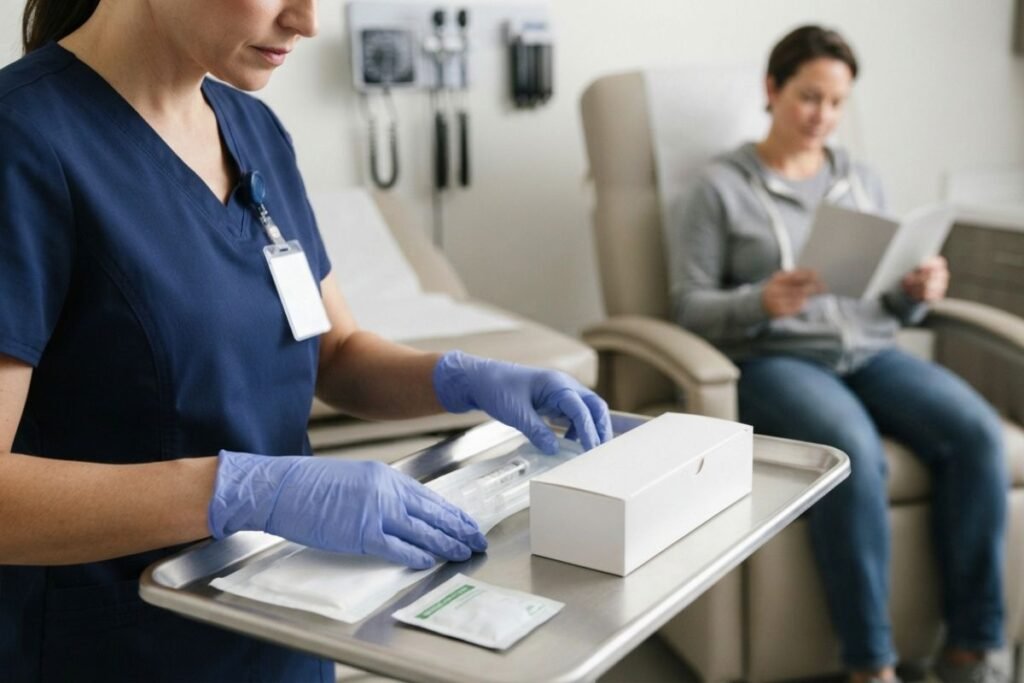
The injection must be administered by a healthcare professional and is generally given every four weeks or once monthly.
What Is Naltrexone?
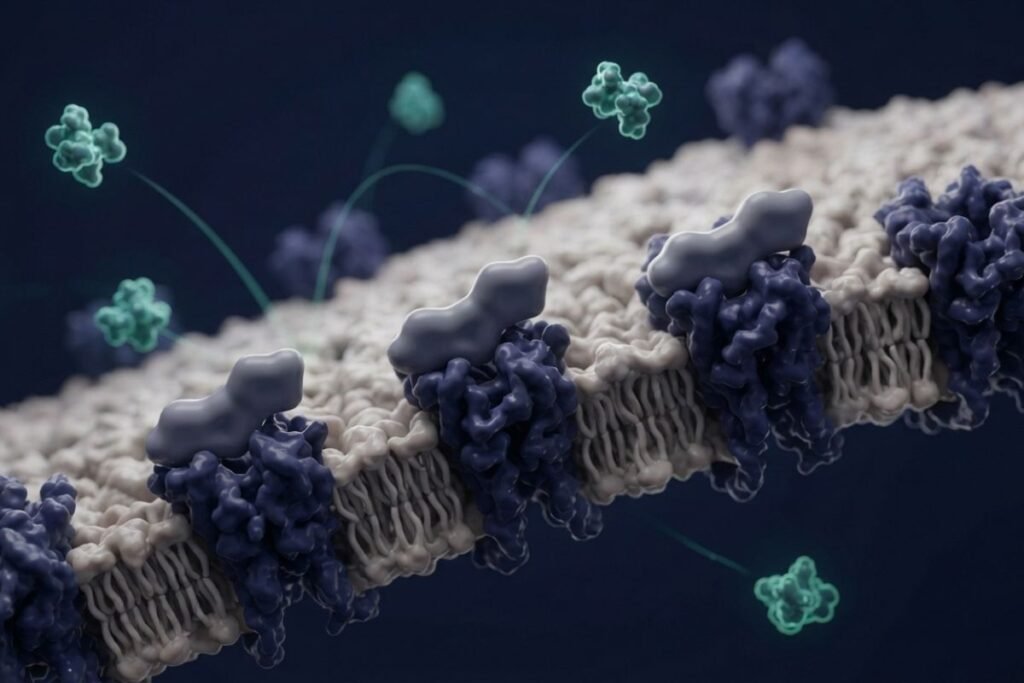
Naltrexone is an opioid antagonist.
Instead of turning opioid receptors on, it binds to those receptors and blocks them.
- It is not an opioid.
- It does not produce an opioid high.
- It does not cause opioid physical dependence.
- It does not treat active opioid withdrawal.
- It can block many opioid effects.
- It may reduce opioid cravings for some people.
SAMHSA describes naltrexone as non-addictive and notes that it blocks the euphoric and sedating effects of opioids.
That difference affects how treatment starts, which is one of the most important things to understand about Vivitrol.
What Is Vivitrol?
Vivitrol is a brand of extended-release injectable naltrexone.
It is administered by a healthcare professional and releases naltrexone gradually over approximately one month.
The FDA has also approved a generic extended-release injectable naltrexone product referencing Vivitrol.
Naltrexone vs. Vivitrol
They are related, but they are not exactly the same term.
Naltrexone
The medication.
Vivitrol
A brand-name extended-release injectable naltrexone product.
How Does Vivitrol Work for Opioid Use Disorder?
Opioids normally create their effects by attaching to opioid receptors. Naltrexone occupies those receptors and blocks them.
Opioid Approaches Receptor
Without an antagonist present, opioids can bind to opioid receptors and produce opioid effects.
Naltrexone Occupies Receptor
Naltrexone binds to the receptor without activating it like an opioid agonist.
Opioid Effect Is Blocked / Reduced
Many opioid effects can be reduced or blocked while extended-release naltrexone is active.
Does Not Treat Withdrawal
Unlike methadone or buprenorphine, Vivitrol does not provide opioid-receptor activation that controls active withdrawal. That is why withdrawal generally must be completed before treatment begins.
May Reduce Cravings
Naltrexone may also reduce opioid cravings in some patients.
What Does Extended-Release Naltrexone Treat?
The medication treats opioid use disorder, rather than one specific opioid.
OUD Involving Fentanyl
Extended-release naltrexone may be considered after opioid withdrawal has been completed. Because fentanyl-related dependence and withdrawal can vary, initiation should be planned with a clinician.
OUD Involving Heroin
It may also be used after withdrawal from heroin.
OUD Involving Prescription Opioids
OUD involving medications such as oxycodone, hydrocodone or morphine may also be treated with naltrexone when clinically appropriate.
Why Must Opioids Be Stopped Before Vivitrol?
A person who is still physically dependent on opioids can experience sudden, severe withdrawal if naltrexone is started too early.
Vivitrol therefore should not normally be started while someone is actively using opioids, physically dependent on opioids, or experiencing active opioid withdrawal.
The current FDA label recommends an opioid-free period before initiation to reduce the risk of precipitated withdrawal. SAMHSA also gives general waiting guidance that varies according to whether opioids are short- or long-acting.
Additional Caution
Transitioning from methadone or buprenorphine may require additional clinical planning.
Do not stop either medication yourself simply to try to start Vivitrol.

What Is Precipitated Withdrawal?
Precipitated withdrawal is a rapid and potentially severe worsening of opioid withdrawal caused by starting an antagonist while physical opioid dependence remains.
Symptoms can include nausea, vomiting, diarrhea, sweating, restlessness, anxiety, body aches, and stomach symptoms.
The current Vivitrol prescribing information warns that precipitated withdrawal can become severe enough to require hospitalization.
How Do You Start Vivitrol Treatment?

Find a Qualified Provider
Treatment may be available through addiction medicine, primary care, behavioral-health clinics, outpatient programs, OTPs, and other qualified healthcare settings.
Complete an OUD Assessment
A clinician may review recent opioid use, withdrawal, fentanyl exposure, methadone or buprenorphine, other medications, physical and mental health, pain conditions, and treatment goals.
Complete Opioid Withdrawal
The person needs to reach an appropriate opioid-free state before extended-release naltrexone can normally be administered.
Confirm Readiness
Assessment may include symptoms, medical history, physical examination, laboratory or toxicology information, and in selected circumstances a naloxone challenge. No single test replaces clinician judgment.
Receive the Injection
Vivitrol must be prepared and administered by a healthcare professional.
Continue Follow-Up
Care may include craving assessment, side-effect monitoring, mental healthcare, counseling, peer support, recovery planning, and overdose-prevention education.
What About Rapid Naltrexone Initiation?
A 2024 NIH-supported clinical trial studied a faster medically supervised pathway for beginning extended-release naltrexone.
The faster protocol helped more patients receive their first injection, but it required more staff attention, closer medical monitoring, and had more safety events than the standard procedure.
What Happens During Ongoing Vivitrol Treatment?
Treatment usually involves regular healthcare follow-up.

How Long Can Someone Use Vivitrol?
There is no universal treatment length.
A clinician may consider how well treatment is working, cravings, risk of return to opioid use, side effects, recovery stability, and patient preference.
The better question is not: “Have I reached a certain number of months?”
Potential Benefits of Extended-Release Naltrexone
It Is Not an Opioid Agonist
It blocks opioid receptors instead of activating them.
No Opioid Physical Dependence From Naltrexone
Stopping naltrexone does not itself cause opioid withdrawal.
Blocks Many Opioid Effects
This may help some people avoid returning to nonprescribed opioid use.
Monthly Administration
There is no daily OUD medication to remember.
Different Treatment Choice
It provides an evidence-based option for people for whom an opioid antagonist fits their clinical circumstances and preferences.

Vivitrol Side Effects & Safety
Possible adverse effects can include nausea, headache, dizziness, sleepiness, reduced appetite, sleep changes, muscle or joint discomfort, and injection-site pain.
Not everyone experiences the same effects.
Injection-Site Reactions
Some reactions can become serious. Contact the treating clinician if an injection site becomes increasingly painful, swollen, damaged, or otherwise concerning.
Liver Problems
Current prescribing information includes warnings about hepatic injury.
Mood Changes
Patients receiving Vivitrol should also be monitored for new or worsening depression or suicidal thinking.
Can Someone Still Overdose While Receiving Vivitrol?
Yes. Vivitrol does not make opioid overdose impossible.
Do Not Try to Overcome the Blockade
Taking large amounts of opioids in an attempt to overcome naltrexone can cause serious injury, coma, or fatal overdose.
Opioid Tolerance Becomes Lower
After a period without opioids, tolerance may be substantially reduced. This means an amount that was previously tolerated can become dangerous.
Risk Can Increase When Treatment Wears Off
The FDA label specifically warns of increased overdose vulnerability near the end of the dosing interval, after a missed dose, or after Vivitrol is discontinued.
Keep Naloxone Available
Current labeling strongly encourages discussion of access to an opioid-overdose reversal agent such as naloxone.


What If You Need Pain Treatment While Receiving Vivitrol?
This is an important part of treatment planning.
Vivitrol blocks opioid receptors, so opioid pain medicines may not work normally while naltrexone is active.
Tell Healthcare Professionals
Tell your doctor, dentist, surgeon, emergency clinician, and anesthesia team that you receive extended-release naltrexone.
Do Not Take Extra Opioids
Trying to overcome the blockade with additional opioids can cause serious harm.
For emergency pain management, FDA labeling notes that clinicians may consider regional or non-opioid approaches and that care should be managed by appropriately trained professionals.
This can be particularly useful if you cannot communicate during an emergency.
Vivitrol vs. Suboxone
| Feature | Vivitrol / XR Naltrexone | Buprenorphine / Suboxone |
|---|---|---|
| Medication type | Opioid antagonist | Partial opioid agonist |
| Contains opioid agonist | No | Yes—buprenorphine |
| Treats active withdrawal | No | Can reduce withdrawal |
| Opioid-free period first | Required | Full detox is not required in the same way |
| Main formulation | Monthly injection | Usually film/tablet; long-acting options also exist |
| Administration | Healthcare professional | Often used at home after prescription |
| Physical opioid dependence from treatment | No | Can occur |
| Access | Medical treatment setting | Office, clinic, eligible telehealth and other settings |
Which Is Better?
Neither is universally better. A clinician may consider current opioid use, ability to complete withdrawal, medical history, pain-treatment needs, past treatment, access, and individual preferences.
Vivitrol vs. Methadone
Opioid Antagonist
Requires opioid withdrawal first. Provider-administered monthly injection. Does not cause opioid physical dependence.
Full Opioid Agonist
Can control active withdrawal and cravings. OUD treatment is dispensed through certified OTPs. Can be used long term.
Who May Discuss Vivitrol With a Provider?
May Be Worth Discussing
- Has diagnosed OUD
- Has completed opioid withdrawal
- Prefers a non-opioid-antagonist treatment approach
- Prefers a monthly injection
- Can attend ongoing follow-up
- Wants to discuss an alternative to agonist medication
May Require Another Plan
- Is currently physically dependent on opioids
- Is experiencing active withdrawal
- Needs ongoing opioid pain medication
- Has another health issue that changes treatment safety
What About Vivitrol During Pregnancy?
OUD treatment during pregnancy needs specialized care.
Current CDC guidance identifies methadone and buprenorphine as recommended first-line medications during pregnancy.
Information about naltrexone safety during pregnancy remains more limited.
Starting Naltrexone During Pregnancy
For a pregnant patient who is not already receiving naltrexone, methadone or buprenorphine are the better-established treatment options.
If Pregnancy Occurs During Stable Naltrexone Treatment
Do not stop treatment independently.
CDC notes that patient and clinician should discuss limited pregnancy-safety data, the risk of return to opioid use if medication is stopped, and alternative treatment options.

How Much Does Vivitrol Treatment Cost?
There is no one national patient price. Cost may depend on medication product, provider, administration fee, follow-up services, insurance, network, deductible, copay, coinsurance, and prior authorization.
Medicaid
Medicaid may cover extended-release naltrexone and related OUD services. Rules vary by state and plan.
Medicare
CMS states that office-based OUD services can include naltrexone, and Medicare Part D may cover prescribed OUD medications depending on the plan. Medicare Part B also covers qualifying naltrexone treatment and related services through enrolled OTPs.
Private Insurance
Coverage varies according to network, medical/pharmacy benefit, prior authorization, deductible, copayment, and coinsurance.
Insurance verification does not guarantee medication coverage, authorization, provider participation, or final patient cost.
Find Naltrexone or Vivitrol Treatment
Extended-release naltrexone may be available through addiction medicine, primary care, behavioral-health clinics, outpatient treatment programs, OTPs, and other qualified medical providers.
Search based on location, treatment availability, insurance, and whether the provider offers extended-release naltrexone for OUD.
Search for Vivitrol Treatment
Start with your ZIP Code or state.
Before Choosing a Provider, Ask:
Medication
Do you provide extended-release naltrexone for OUD?
Initiation
How do you determine when someone is opioid-free and ready to start?
Withdrawal Support
How do you help patients manage the period before the first injection?
Alternative MOUD
Do you also offer or coordinate buprenorphine or methadone if naltrexone is not a good fit?
Pain Planning
What should I do if I need surgery or opioid pain treatment?
Overdose Safety
Do you provide or recommend naloxone?
Insurance
Do you accept my plan?
Cost
What should I expect to pay for medication, administration, and visits?
Explore Naltrexone & Vivitrol Treatment Options
You do not need to decide whether extended-release naltrexone, buprenorphine, methadone, or another treatment approach is right for you before asking about options.
Explore treatment based on your current opioid use, withdrawal needs, health, location, preferences, and insurance.
MAT Clinic Guide is an educational and treatment-navigation resource, not a treatment provider. Information submitted through treatment-navigation forms may be shared with participating providers or service partners according to the site's Privacy Policy and consent terms. Medication eligibility, appointment availability, admission, and insurance coverage are not guaranteed.
Frequently Asked Questions About Naltrexone & Vivitrol
Is Vivitrol the same as naltrexone?
Vivitrol is a brand of extended-release injectable naltrexone. Naltrexone is the active medication.
Is Vivitrol an opioid?
No. Naltrexone is an opioid antagonist.
Is Vivitrol addictive?
Naltrexone does not produce an opioid high or opioid physical dependence.
Does Vivitrol treat opioid withdrawal?
No. Withdrawal generally must be completed before the first extended-release naltrexone injection.
How long do you need to be opioid-free before Vivitrol?
The timing depends on the opioids involved and clinical situation. FDA labeling recommends an opioid-free interval before initiation, while SAMHSA gives general guidance that differs for short- and long-acting opioids. These ranges should not be used as a home-start countdown.
Can Vivitrol cause precipitated withdrawal?
Yes. Starting naltrexone while physical opioid dependence remains can cause sudden, potentially severe withdrawal.
Can Vivitrol be used when OUD involves fentanyl?
It can be an OUD treatment option after appropriate opioid withdrawal has been completed. Fentanyl-related treatment initiation should be planned clinically.
Can you use opioids while receiving Vivitrol?
Trying to overcome naltrexone's blockade with opioids is dangerous and can cause fatal overdose.
Can someone overdose while taking Vivitrol?
Yes. Risk exists when attempting to overcome the blockade and can also rise near the end of a dosing interval, after a missed injection, or after treatment ends because opioid tolerance may be lower.
What happens when Vivitrol wears off?
Its opioid-blocking effect declines and opioid tolerance may be substantially lower than before treatment. Return to opioid use can therefore be especially dangerous.
Should someone keep naloxone while using Vivitrol?
FDA labeling recommends discussing access to an opioid-overdose reversal medication such as naloxone or nalmefene.
What if I need surgery while receiving Vivitrol?
Tell the surgeon, anesthesiologist, dentist, emergency clinician, and other treating professionals that you receive extended-release naltrexone. They may need a different pain-management plan.
How long does Vivitrol last?
It is designed for approximately once-monthly treatment.
Is Vivitrol better than Suboxone?
Neither is better for everyone. They have different mechanisms, initiation requirements, access models, and benefits.
Is Vivitrol better than methadone?
Neither is universally better. Methadone can treat withdrawal and cravings without requiring detoxification first in the same way; Vivitrol is an antagonist generally started after opioid withdrawal.
Can Vivitrol be used during pregnancy?
Naltrexone pregnancy data are limited. Methadone and buprenorphine are the better-established recommended OUD medications during pregnancy.
Does Medicare cover naltrexone?
Medicare can cover OUD treatment involving naltrexone in qualifying office-based and OTP settings.
Does Medicaid cover Vivitrol?
Medicaid may cover extended-release naltrexone, but requirements vary by state and plan.
Where can I find a Vivitrol provider?
Search for OUD treatment providers that offer extended-release naltrexone and can evaluate whether it fits your treatment needs.